Roof Inspections in Denver
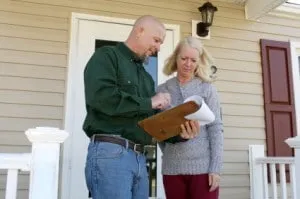
Your roof takes more punishment in Denver than almost anywhere else in the country. Hail, high winds, heavy spring snow, freeze-thaw cycles and intense high-altitude sun all wear it down, often in ways you can't see from the ground. A professional roof inspection tells you exactly what shape your roof is in, what needs attention now, and what can wait.
Every inspection ends with a clear, photo-documented report you can use to plan repairs, negotiate a home sale or support an insurance claim.
When you should get a roof inspection
- After a hail or wind storm. Hail damage is often invisible from the street but can shorten a roof's life by years. Most insurance policies set a deadline for filing a claim, so an inspection soon after a storm protects your options.
- Before buying or selling a home. A roof inspection gives buyers and sellers an honest picture of the roof's condition and remaining life before closing.
- When your roof is 15 years old or more. Older asphalt shingle roofs should be checked every year so small problems are caught before they become leaks.
- If you see warning signs. Water stains on ceilings, granules in the gutters, missing or curled shingles, or daylight in the attic all call for a closer look.
- Before installing solar panels. Panels sit on your roof for 25 years or more, so the roof underneath should be in good shape first. See our solar installation services.
- As routine maintenance. An inspection every one to two years, and after any major storm, is the simplest way to extend the life of your roof.
What we check during a roof inspection
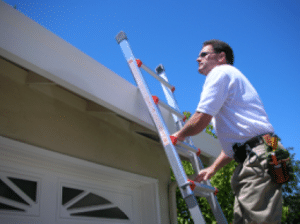
Our inspectors walk the roof and document its condition with photos, including:
- Roofing material. Shingles, tile, metal panels or flat-roof membranes: hail bruising, cracks, missing or loose pieces, granule loss and blistering.
- Flashing and penetrations. Chimneys, skylights, vents and pipe boots, where most leaks start.
- Gutters and drainage. Clogs, sagging sections, hail dents and downspouts that dump water against the foundation.
- Soft spots and decking. Signs of water damage or rot in the roof deck underneath.
- Ventilation. Roof vents and signs of poor attic airflow, which can shorten roof life and raise energy costs.
- Previous repairs. Whether earlier work was done correctly and is still holding up.
What you get after the inspection
- A written report with photos of every issue we find.
- A straight answer on whether your roof needs a repair, a full replacement, or nothing at all.
- A clear estimate for any recommended work.
- If there is storm damage, documentation you can share with your insurance company.
Hail and storm damage inspections
The Colorado Front Range is one of the most hail-prone regions in the United States, and Denver homeowners file thousands of roof claims after severe storms. If you think your roof was hit, have it inspected before you call your insurer. Our report shows exactly what was damaged and gives your adjuster something concrete to review.
Know your rights under Colorado law:
- A roofing contractor cannot pay, waive or rebate any part of your insurance deductible.
- If your insurer denies your claim in whole or in part, you have 72 hours after receiving written notice of the denial to cancel your roofing contract.
How much does a roof inspection cost in Denver?
The cost of a roof inspection depends on the size, pitch and type of roof and on what the inspection is for. A simple post-storm check takes less time than a detailed inspection for a home sale. Call us for a quote before we schedule.
Why Denver homeowners choose Mountaintop Roofing & Solar
- Honest recommendations. If your roof only needs a repair, that is what we'll tell you.
- Roofing and solar under one roof. We inspect, repair and replace roofs, and install solar, so your roof and panels are planned together.
- Every roof type. Asphalt shingle, metal, tile and flat roofs. See our roof types.
Roof inspection FAQs
How long does a roof inspection take?
You'll get the photo report shortly afterward.
Do I need to be home during the inspection?
Not usually. We need safe access to the roof. If we need to check the attic or interior ceilings, we'll arrange a time with you.
How often should I have my roof inspected?
Every one to two years, and after any hail or major wind storm. Roofs over 15 years old are worth checking every year.
Can a roof inspection help with my insurance claim?
Yes. A photo-documented inspection shows your insurer exactly what was damaged, and the report gives your adjuster clear evidence to review.
What's the difference between a roof inspection and a free roof estimate?
An estimate prices a specific job. An inspection assesses the whole roof and tells you whether any work is needed at all.
Should I get my roof inspected before installing solar panels?
Yes. Panels stay in place for decades, so it's much cheaper to repair or replace an aging roof before they go on than to remove and reinstall them later.
For a deeper look at inspecting shingle, metal, tile and flat roofs, read our Essential Guide to Denver Roof Inspection.